BlackRock and EQT Lead $10.7 Billion Takeover of AES in AI Power Boom
July 24, 2026

June 12, 2026

May 12, 2026

April 7, 2026


Doris Evelyn, a Senior business and policy analyst covering U.S. industries, Markets, companies, money, and the global economy.
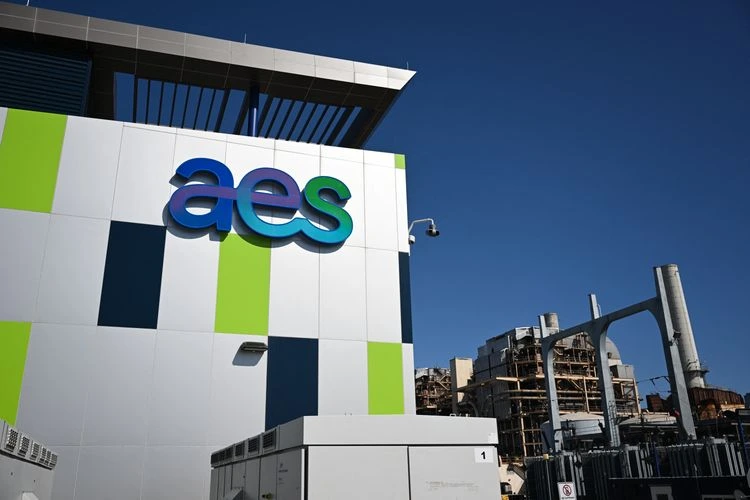
AES, a utility and clean energy company, is being acquired by an investor consortium led by BlackRock's Global Infrastructure Partners and Swedish private equity firm EQT AB. The consortium, which also includes the Qatar Investment Authority and the California Public Employees' Retirement System, will buy AES for $15 per share in cash, for a total equity value of $10.7 billion and an enterprise value of $33.4 billion (including debt).
The agreement adds to a wave of significant transactions in the power sector as artificial intelligence drives rising electricity consumption. The transaction is scheduled to finalize in late 2026 or early 2027. According to AES, the transaction will increase access to cash and relieve the corporation from the leverage limits that come with being publicly traded.
In the absence of a merger, AES stated that it would have needed to lower or abolish its dividend or issue significant fresh shares to fund growth. AES' net debt was $27.56 billion as of December 31.
Why This News Matters:
This deal shows how important power companies have become since AI came along. Utilities like AES are becoming strategic assets as data centers and AI push electricity demand to new highs. AES will have more money and freedom to invest in power generation and grid upgrades if it goes private. It won't have to worry about quarterly market pressure. Big investors see the electricity infrastructure as one of the most important growth stories of the next ten years. This is just one more sign of that.
Market Reaction and Shareholder Response
AES stock plunged substantially following the announcement, dropping more than 17% in early trading and posting its worst single-day percentage decrease since March 18, 2020. Shares fell to roughly $14.21, making it the weakest performer in the S&P 500. The $15-per-share offer is a 40% premium to the 30-day volume-weighted average price prior to July 8, the penultimate trading day before media reports of a possible sale surfaced. However, it is a discount to the stock's closing price of $17.28 on Friday and lower than levels observed following news of a possible $38 billion takeover.
Investors may have been excessively enthusiastic about the takeout price because the situation did not escalate into a bidding war among many buyers. The offer offers a 13% discount to the previous closing, but a more than 35% premium over early July trading levels. The deal stipulates termination fees on both sides. The consortium could be on the hook for as much as $588 million, while AES's potential liability is roughly $321 million, depending on specific circumstances.
AI Boom and Rising Power Demand Fuel Deal Activity
The acquisition comes as American electricity consumption hits a record high for the second consecutive year in 2025, with projections suggesting continued growth. This spike in energy demand, primarily fueled by data centers and the AI boom, has put pressure on power grids and heightened the need for dependable energy solutions.
Utility and power generation firms, like AES, are now central figures, largely because of the immense energy demands of AI. Meeting these needs means significant investments in the infrastructure for generation, transmission, and distribution. AES, for instance, has secured contracts to provide renewable energy to clients including Microsoft and Meta Platforms.
Industry observers view this acquisition as a clear indication that infrastructure funds are actively seeking tangible assets, particularly those related to power and utility platforms. The reasoning? Growing electricity demand and the pressing need to expand the grid. Several other significant moves have also happened in this space. Blackstone, for instance, bought TXNM Energy, and Constellation Energy acquired Calpine. Global Infrastructure Partners has been expanding its footprint, too, with previous take-private deals in the utilities sector.
Financial Performance and Strategic Rationale
AES delivered a stronger-than-expected performance on Monday, surpassing Wall Street's full-year adjusted profit forecasts. The company reported adjusted earnings of $2.34 per share, beating analysts' predictions of $2.16. However, the company's history of declining income and increasing long-term debt over several years means it will need additional capital to finance new projects post-2027. Chairman Jay Morse underscored the necessity of significant capital investment to support AES's expansion, particularly given the projected spending within the United States generation and utilities companies. Without the purchase, the corporation would have likely adopted a strategy of dividend cuts or significant equity issuances. Under the terms of the agreement, AES's utilities in Indiana and Ohio will continue to be operated and controlled locally.
Analysts underlined that with consortium backing, AES gains increased access to cash and the flexibility to invest in infrastructure required to fulfill the rising demand for technology-driven energy consumption.

Doris Evelyn, a Senior business and policy analyst covering U.S. industries, Markets, companies, money, and the global economy.
July 24, 2026
June 12, 2026
May 12, 2026
April 7, 2026