Trump Moves to Repeal EPA Climate Endangerment Finding
June 15, 2026
April 20, 2026

February 11, 2026
February 5, 2026

Norman Leroy, a climate and environmental journalist covering climate policy, renewable energy, environmental science, and the global impact of climate change.
WASHINGTON — The Trump administration is preparing to dismantle one of the most important legal foundations of U.S. climate policy, announcing plans to revoke a landmark scientific determination that has guided federal efforts to regulate greenhouse gas emissions for more than a decade.
On Thursday, the Environmental Protection Agency (EPA) is expected to issue a final rule rescinding the 2009 “endangerment finding,” an Obama-era declaration that concluded carbon dioxide and other greenhouse gases pose a threat to public health and welfare.
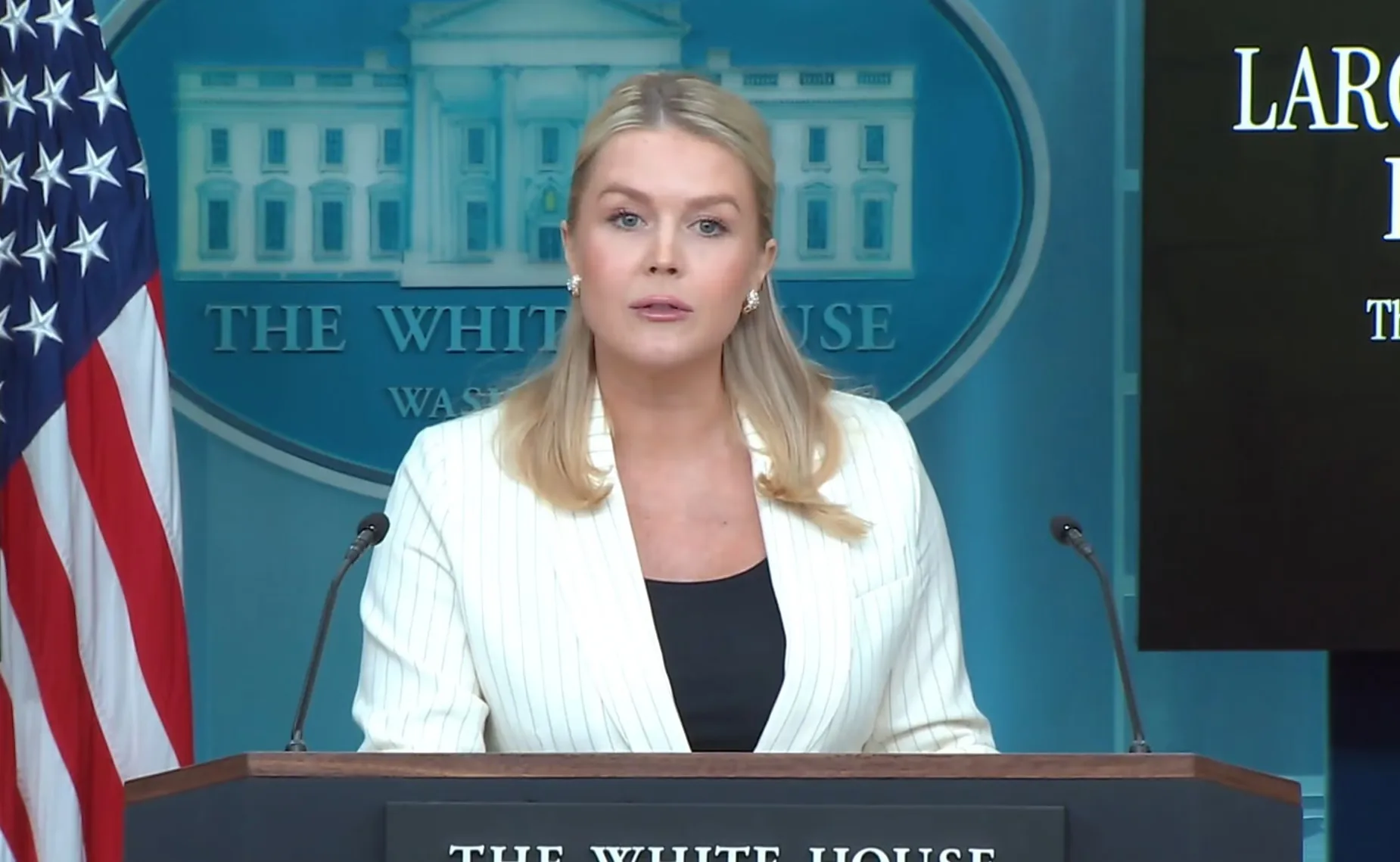
White House press secretary Karoline Leavitt confirmed that President Donald Trump and EPA Administrator Lee Zeldin will formally announce the decision during a White House ceremony, describing it as a major step toward rolling back environmental regulations. “The rescission of the 2009 Obama-era endangerment finding will be the largest deregulatory action in American history,” Leavitt said Tuesday. “It will save the American people $1.3 trillion in crushing regulations.”
According to the administration, most of those savings would come from reduced costs for new vehicles. The EPA projects that rolling back climate-related emissions standards could lower the average price of new cars, SUVs, and trucks by more than $2,400 per vehicle.
A Cornerstone of Climate Regulation
The endangerment determination has provided the legal backbone of virtually all federal climate change regulations under the Clean Air Act. It has offered the scientific and legal authority supporting current or planned federal rules affecting car emissions, power plants, and other major sources of pollution.
Its significance lies in the fact that its absence would result in the weakening of the EPA’s ability to regulate greenhouse emissions. Environmental regulations, which are a result of this determination, have been meant to ease the risks of harmful effects of climate change, which include deadly heat waves, stronger hurricanes, extensive wildfires, and rising sea levels.
There is clear and overwhelming scientific evidence showing climate change to be one of the greatest environmental challenges currently faced by humanity, and climate scientists agree almost unanimously that global warming was mainly caused by man-made climate change due to fossil fuel burning. In repealing environmental endangerment protections, Trump is taking a big step—fulfilling a long-term goal to roll back environmental policies that his allies and he view as burdening business and consumers.
Lawsuits Expected
The move is almost certain to trigger immediate legal battles. Environmental organizations and Democratic-led states are expected to challenge the decision in court, arguing that it ignores decades of scientific evidence and violates the EPA’s legal obligations under the Clean Air Act.
“This is the single biggest attack in U.S. history on federal efforts to address climate change,” said Abigail Dillen, president of the nonprofit law firm Earthjustice. “The Trump administration is abandoning its core responsibility to keep us safe from extreme weather and accelerating climate change.”
“There is no way to reconcile this decision with the law, the science, and the reality of disasters that are hitting us harder every year,” Dillen added. “We will see the Trump administration in court.”
EPA officials defended the action, saying the 2009 finding was flawed and overly broad.
Brigit Hirsch, an EPA press secretary, called the Obama-era determination “one of the most damaging decisions in modern history” and said the agency is working to deliver a “historic action for the American people.”
Trump has long dismissed climate change as a “hoax” and has repeatedly pledged to roll back regulations that he says hurt the economy and energy industry. Zeldin, a former Republican congressman who took over as EPA administrator last year, has echoed that view. He argues that Democratic administrations used the endangerment finding to justify sweeping regulations that drove up costs and restricted economic growth.
“They created this endangerment finding and then used it to regulate vehicles, airplanes, and entire industries out of existence,” Zeldin said last July when announcing plans to repeal the rule. “It cost Americans a lot of money.”
Strong Scientific Consensus
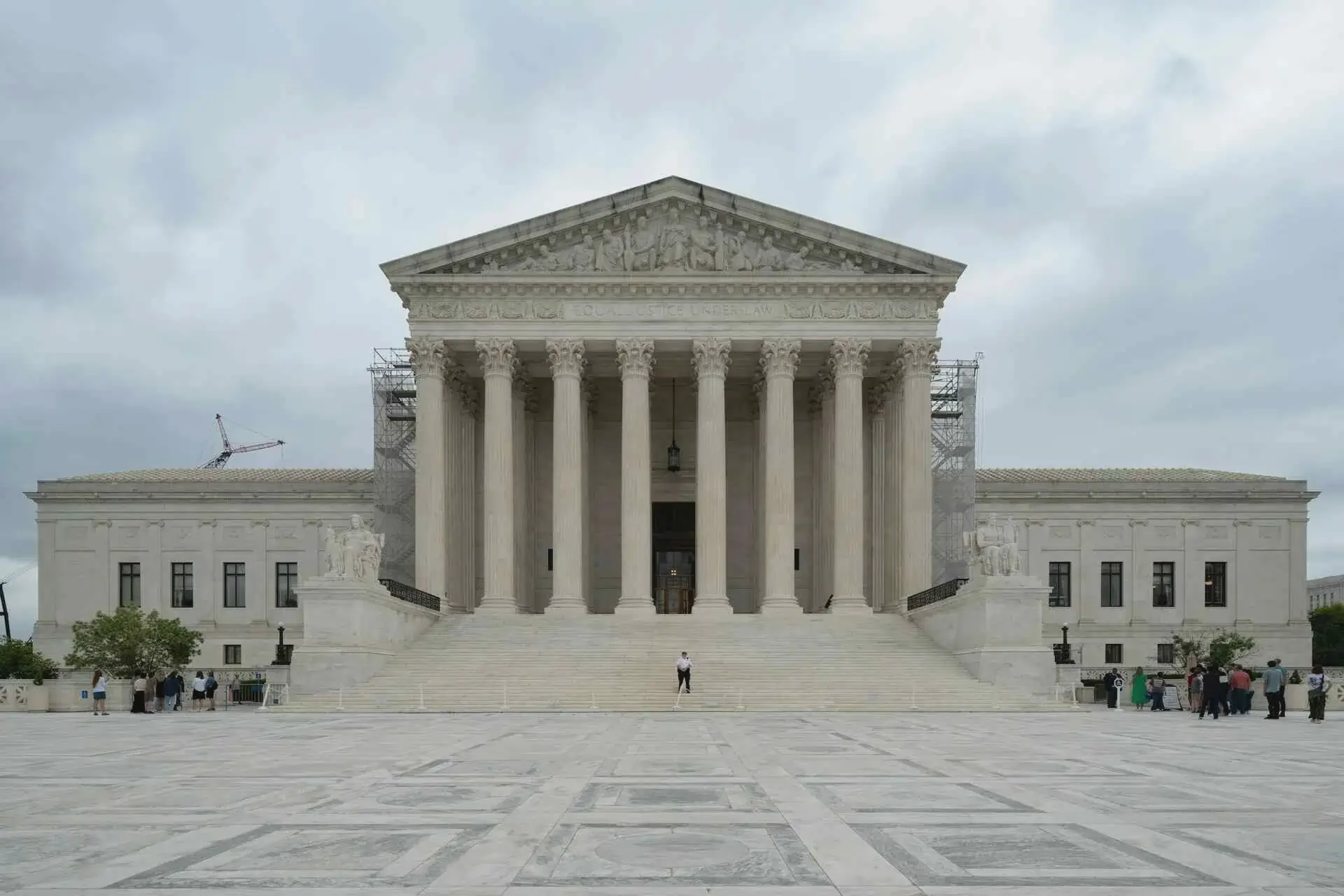
In 2007, the U.S. Supreme Court ruled in the case Massachusetts v. EPA that greenhouse gases qualify as air pollutants under the Clean Air Act, requiring the agency to regulate them if they are found to endanger public health. Since then, federal courts have repeatedly upheld the 2009 endangerment finding, most recently in a 2023 decision by the U.S. Court of Appeals for the District of Columbia Circuit.
Last year, at the EPA’s request, the National Academies of Sciences, Engineering and Medicine reviewed the scientific basis for the finding and reaffirmed its validity. The panel concluded that the evidence supporting the determination was “accurate, has stood the test of time, and is now reinforced by even stronger evidence.” Much of what was uncertain in 2009 is now firmly established, the scientists said.
“The evidence for current and future harm to human health and welfare created by human-caused greenhouse gases is beyond scientific dispute,” the report stated. Environmental advocates warn that repealing the rule will lead to higher pollution levels and serious public health consequences.
Peter Zalzal of the Environmental Defense Fund said the decision would result in “more climate pollution, higher health and fuel costs, and thousands of avoidable premature deaths.” He accused the EPA of focusing solely on short-term industry savings while ignoring the long-term dangers of a warming planet. “This push is cynical and deeply damaging,” Zalzal said. “EPA has a clear obligation to protect Americans’ health and welfare, and this action moves in the exact opposite direction.”
Uncertain Future
Courts have consistently ruled that the EPA must base its decisions on the best available science. Legal experts say it will be difficult for the agency to justify overturning a determination supported by decades of research and affirmed by multiple court rulings.
For now, the decision represents one of the most aggressive steps yet by the Trump administration to unravel federal climate policy — and sets the stage for what is likely to become a prolonged legal and political fight over the future of U.S. environmental regulation.

Norman Leroy, a climate and environmental journalist covering climate policy, renewable energy, environmental science, and the global impact of climate change.
June 15, 2026
April 20, 2026
February 11, 2026
February 5, 2026