Press Group Demands DOJ Lawyer Action Over Reporter Search
July 2, 2026
June 5, 2026
April 14, 2026
March 10, 2026

Virgil Harold, an investigative journalist reporting on corruption, public policy, corporate accountability, and high-impact national stories.
A prominent press freedom organization is demanding disciplinary action against a federal prosecutor, accusing him of serious ethical violations related to the recent search of a Washington Post reporter’s home.
The Freedom of the Press Foundation filed a formal complaint on February 6 with the Virginia State Bar, urging the licensing body to investigate Assistant U.S. Attorney Gordon D. Kromberg. The group claims that Kromberg failed to properly inform a federal judge about crucial legal protections for journalists when he applied for a warrant to search the residence of reporter Hannah Natanson.
Search of Washington Post Reporter’s Home
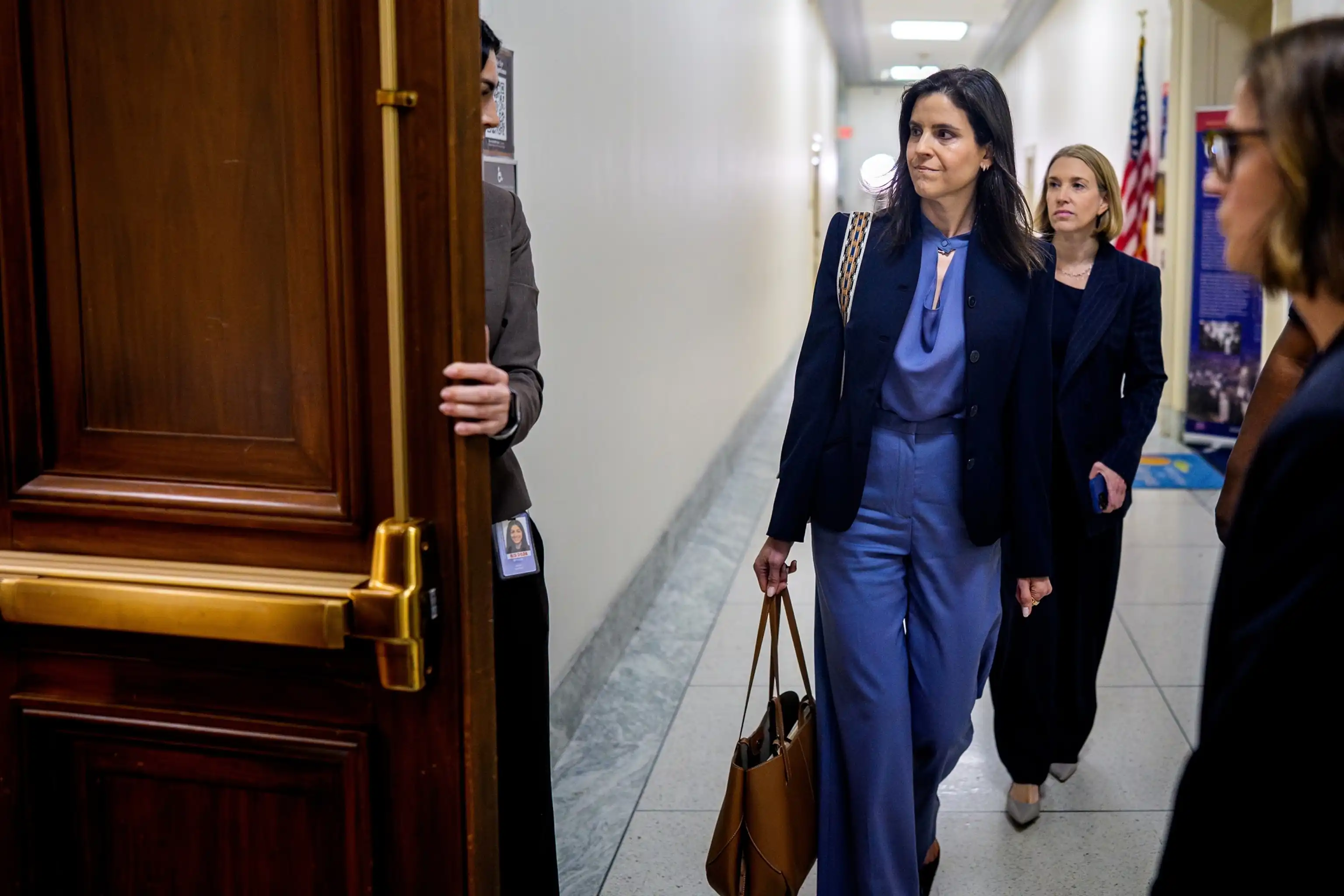
Natanson, who covers federal workforce issues for The Washington Post, had her home searched by FBI agents last month as part of a leak investigation. Her electronic devices were seized, raising immediate concerns among press advocates about government overreach and potential violations of First Amendment protections.
Privacy Protection Act at Center of Dispute
In its complaint, the Freedom of the Press Foundation argues that Kromberg neglected to mention the Privacy Protection Act of 1980 — a federal law specifically designed to shield journalists from exactly this kind of search. The law generally prohibits the government from seizing reporting materials and requires investigators to use less intrusive methods, such as subpoenas, unless exceptional circumstances exist.
According to the foundation, this omission was not a simple oversight.
“Kromberg was likely well aware of applicable law, but deliberately chose not to mention it,” the complaint states, accusing him of violating Virginia ethics rules that require attorneys to disclose legal authorities that work against their position when seeking approval from a judge.
Call for Disciplinary Action
By failing to reference the Privacy Protection Act, the organization argues, the prosecutor effectively deprived the judge of critical information needed to make an informed decision about whether the search was legally justified.
The result, they say, was a warrant that never should have been issued — and a raid that threatens to set a dangerous precedent for the treatment of journalists.
The group has called for swift and serious consequences.
“We request that this office take appropriate disciplinary action, up to and including disbarment,” the letter to the Virginia State Bar reads. “These proceedings should be expedited due to the dire consequences for First Amendment freedoms if illegal newsroom raids and seizures of journalists’ work product are allowed to go unchecked.”
Justice Department Response
So far, the Justice Department has remained largely silent about the allegations. Officials have not issued any public response to the complaint, and requests for comment have gone unanswered.
The Washington Post, however, has strongly defended its reporter.
In a message to staff shortly after the search took place, Executive Editor Matt Murray confirmed that FBI agents entered Natanson’s home and confiscated personal electronic devices. He stressed that neither Natanson nor the newspaper is considered a target in the underlying investigation.
Underlying Leak Investigation
Instead, authorities say the search is connected to a separate criminal case involving a government contractor accused of mishandling classified information.
That contractor, Aurelio Perez-Lugones, has been charged with illegally retaining sensitive government documents. Federal prosecutors allege that he took screenshots of classified intelligence reports, printed them, and stored them in unauthorized locations.
An FBI affidavit describes investigators discovering “secret” documents in unusual places, including inside a lunchbox in Perez-Lugones’ car and in the basement of his home. Officials believe he may have shared some of that information improperly, prompting the broader leak investigation.
Broader Press Freedom Concerns
It remains unclear exactly how Natanson became connected to the case. Like many national security reporters, she routinely communicates with government sources as part of her work. Press advocates worry that targeting a journalist in this manner could intimidate others and discourage whistleblowers from coming forward.
Attorney General Pam Bondi has defended the administration’s hard-line stance on leaks. In a social media post last month, she wrote that the government “will not tolerate illegal leaks of classified information that, when reported, pose a grave risk to our Nation’s national security.”
But critics say that protecting national security does not give the government free rein to trample press freedoms.
The Freedom of the Press Foundation insists that even in sensitive investigations, prosecutors must follow the law — especially when it comes to journalists. Ignoring legal safeguards, they argue, threatens the independence of the press and undermines the public’s right to know.
“This search crosses a line,” one advocate said. “If the government can raid a reporter’s home without fully explaining the legal protections that exist, no journalist is truly safe.”
nWhat Happens Next
The case has reignited long-running tensions between law enforcement and the media, highlighting the delicate balance between safeguarding classified information and preserving constitutional freedoms.
As the Virginia State Bar reviews the complaint, the broader implications remain clear. The outcome could shape how aggressively federal authorities pursue reporters in future investigations — and whether long-established press protections will continue to hold firm in an increasingly polarized political climate.
For now, journalists and legal experts alike are watching closely, aware that the stakes extend far beyond one reporter and one search warrant.

Virgil Harold, an investigative journalist reporting on corruption, public policy, corporate accountability, and high-impact national stories.
July 2, 2026
June 5, 2026
April 14, 2026
March 10, 2026