Judge Apologizes to Man Accused of Plotting Attack on Donald Trump
July 6, 2026

June 10, 2026
March 26, 2026
February 27, 2026


Gilbert Vernon, a political correspondent and author, covering the U.S. Supreme Court, federal agencies, and government policy.
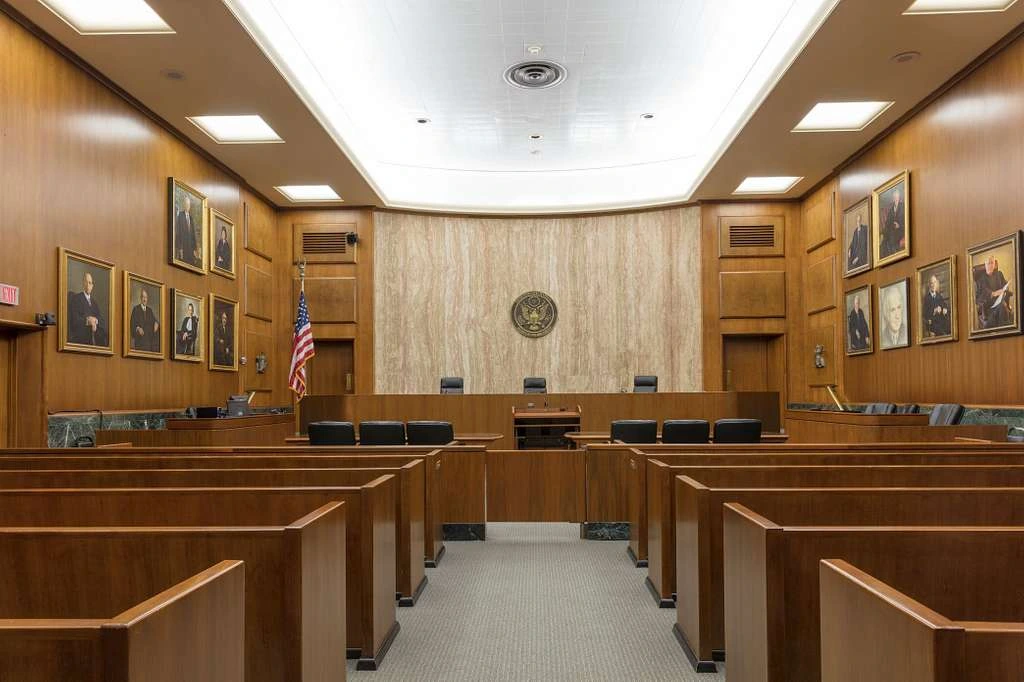
A U.S. court apologized on Monday to the man accused of attempting to assassinate Donald Trump for the "legally deficient" treatment he received in a Washington, D.C., jail. US Magistrate Judge Zia Faruqui expressed concern about the conditions for Cole Allen, who reportedly discharged a shotgun during a thwarted attack on Trump and key officials at an April press event.
"Whatever you've been through, I apologize," Faruqui said at the hearing, adding that he felt obligated to guarantee the 31-year-old was "treated with the basic decency of a human being." The judge underscored that, while the charges are highly serious, pretrial confinement is not intended to be punitive.
Allen, who has no past criminal record, agreed to be detained while prosecutors contended that he presented a threat. He is charged with attempted assassination and firearms violations and has yet to enter a plea.
Why This News Matters:
This situation feels uncomfortable because it’s about more than just the crime. The accusations involving Donald Trump are serious — but even then, the system is supposed to treat people humanely before they’re convicted. When a judge actually apologizes in court, it’s a sign something may have gone too far, and it raises bigger questions about how people in custody are treated.
Conditions in Jail and Legal Concerns
Allen’s lawyers raised concerns about his treatment, saying he was placed on suicide watch despite showing no suicidal tendencies during a health evaluation. They said he was kept in a padded cell for 23 hours a day, separated from other inmates, and denied access to a Bible.
Faruqui described the situation as “insufficient” and “legally deficient,” criticizing the Department of Corrections for its handling of the case. He noted that Allen had since been removed from suicide watch but remained in restrictive housing, which his lawyers did not oppose.
A jail representative said Allen was initially placed on suicide watch following a medical evaluation and that a final decision on his housing had not yet been made.
The judge also ordered that Allen be provided with a Bible, responding to concerns raised by his defense attorney.
Comparison to January 6 Defendants
Faruqui compared Allen’s treatment with that of individuals involved in the January 6 attack on the U.S. Capitol, noting that those defendants were treated more favorably despite engaging in comparable conduct.
“I’m fascinated and disturbed,” the judge said, adding that Allen’s conditions were worse than those he had seen in numerous January 6 cases.
He pointed out that many Capitol riot defendants, who were later pardoned by Trump, had also complained about their treatment but were still housed under less restrictive conditions.
The judge’s comments highlighted concerns about consistency and fairness in how detainees are treated within the same jail system.
Details of the Alleged Attack
Prosecutors said Allen attempted to carry out the attack at the White House Correspondents' Association dinner, which was attended by Trump and other top officials. He apparently rushed through a security checkpoint with a shotgun before being apprehended.
According to prosecutors, after being arrested, Allen informed FBI agents that he did not expect to survive the attack. He wrote his family a letter saying he didn't think he would ever be able to talk to them again.
The charges are very serious, and prosecutors say Allen is still a threat, which is why they don't want him to be let go.
Court Orders and Ongoing Developments
Faruqui told the jail to let him know the next day what the final decision was on Allen's housing situation. He ended the hearing by personally apologizing to the defendant for his treatment.
The case has received attention owing to the serious nature of the allegations as well as concerns expressed regarding jail conditions. It also sparked reactions from officials, including comments from U.S. Attorney Jeanine Pirro, who criticized the judge’s remarks.
The case against Allen and the bigger issues of how detainees are treated and due process are still at the heart of the proceedings.
What to Watch Next:
Keep an eye on whether anything changes at the jail after this — not just for this case, but more broadly. And as the case moves forward, it’ll be about two things at once: proving the charges, and making sure the process itself stays fair.

Gilbert Vernon, a political correspondent and author, covering the U.S. Supreme Court, federal agencies, and government policy.
July 6, 2026
June 10, 2026
March 26, 2026
February 27, 2026