Trump Suggests Nationalizing Elections in at Least 15 States
July 6, 2026
June 10, 2026
May 5, 2026
March 26, 2026
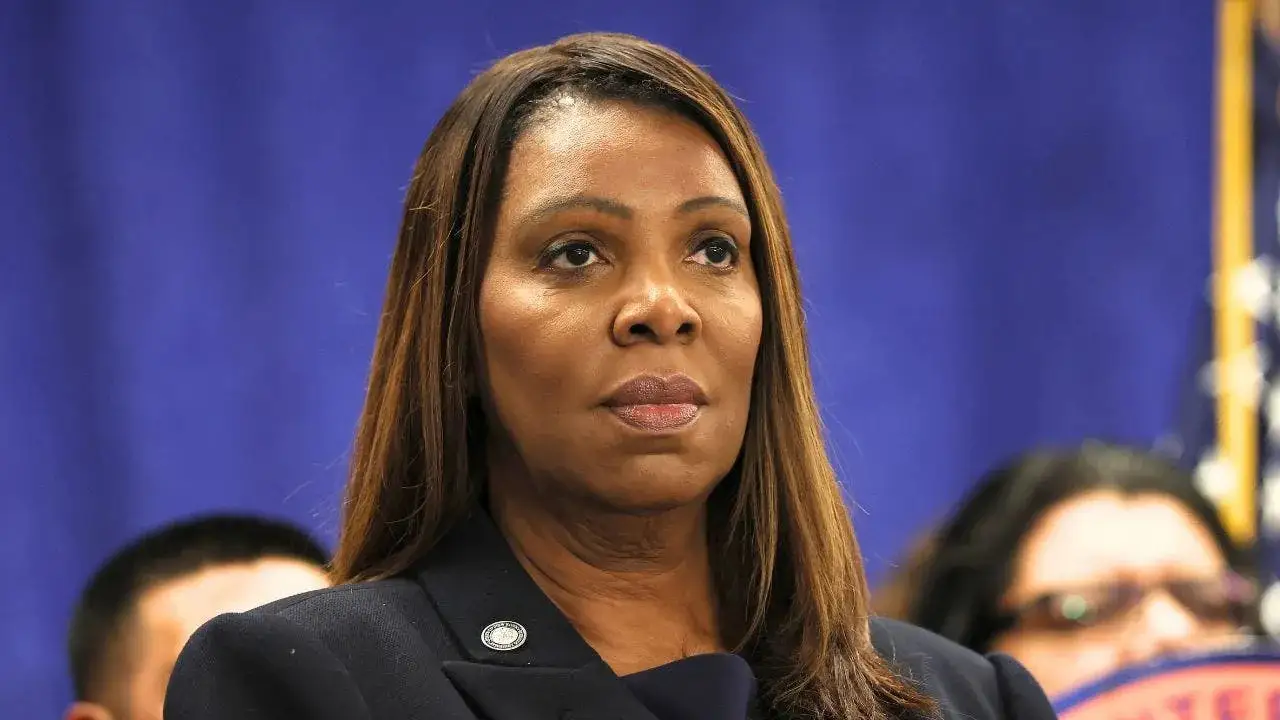

Gilbert Vernon, a political correspondent and author, covering the U.S. Supreme Court, federal agencies, and government policy.
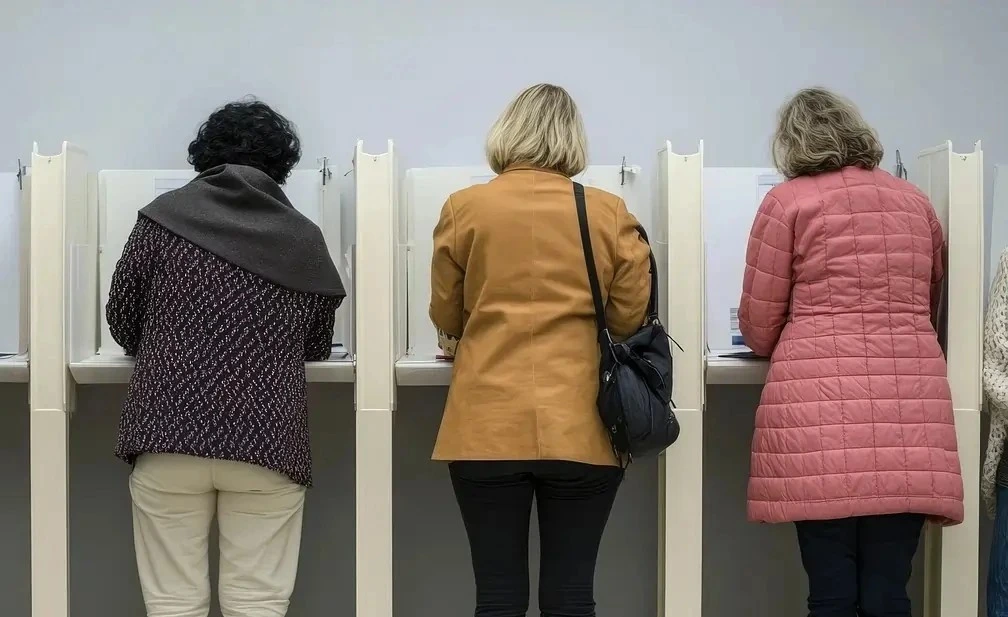
In remarks made during an interview on a conservative podcast released Monday, Donald Trump proposed that Republicans effectively “nationalize” elections in at least 15 states. He framed the idea as a way to stop undocumented immigrants from voting—despite the fact that there is no credible evidence to support claims that noncitizens are voting in significant numbers.
Election experts and government officials from both parties have repeatedly confirmed that voter fraud of any kind is extremely rare in the United States. Still, Trump continues to insist that illegal voting is a widespread problem and that it threatens Republican success at the ballot box.
“If Republicans don’t get them out, you will never win another election as a Republican,” Trump said, referring to immigrants he falsely claimed were being allowed into the country to influence elections.
He went on to accuse Democrats and election officials of manipulating results in certain states. “The Republicans should say: ‘We want to take over,’” Trump told podcast host Dan Bongino. “We should take over the voting in at least many – 15 places – the Republicans ought to nationalize the voting.”
Trump also repeated his long-running claims that he was cheated out of victories in past elections, particularly in Georgia, a key battleground state that he narrowly lost in 2020. Without offering evidence, he suggested that new revelations would soon emerge proving wrongdoing.
“We have states that are so crooked,” Trump said. “We have states that I won, that show I didn’t win.”
Investigations and Political Reaction
His comments come at a sensitive time. Just last week, FBI agents executed a search warrant in Fulton County, Georgia, seizing hundreds of boxes of ballots and election materials as part of an ongoing investigation. Fulton County has been at the center of Trump’s election fraud allegations for years.
According to reports, Trump even spoke briefly with the agents involved in the search, congratulating them on their work.
When asked about Trump’s statements on Tuesday, White House press secretary Karoline Leavitt defended the president’s position, saying he is simply trying to make elections more secure.
“The president believes in the United States Constitution,” Leavitt said. “However, he believes there has obviously been a lot of fraud and irregularities that have taken place in American elections.”
She added that Trump strongly supports requiring voter identification nationwide, calling it a “commonsense policy” that most Americans agree with.
Democratic Concerns Over Democratic Norms
Democrats reacted sharply to Trump’s remarks, warning that they represent a serious threat to democratic norms.
Senator Mark Warner of Virginia called the comments alarming and said they show Trump is already laying the groundwork to challenge future elections.
“This is about whether these same tactics we’re seeing now, or worse, will be used to disrupt free and fair elections,” Warner said.
Under the U.S. Constitution, elections are run by individual states, not the federal government. While Congress has the power to pass laws protecting voting rights, the day-to-day administration of elections has always been a state responsibility. Trump’s suggestion that one political party should control elections directly runs counter to that long-standing system.
New Republican Election Proposals
At the same time, Republicans in Congress are pushing new legislation that would significantly change how elections are conducted.
One such bill, called the Save America Act, would require proof of citizenship to register to vote and would severely restrict mail-in voting and voter registration drives. Another bill, the Make Elections Great Again Act, would take it a step further by prohibiting ranked-choice voting and making tough new rules regarding absentee ballots.
Supporters of these bills argue that they are necessary to ensure the integrity of elections. Opponents say that the measures are intended to make voting more difficult and to give one party more control over the voting process.
Looking Ahead
As the country heads toward another election cycle, Trump’s latest comments are likely to intensify an already heated national debate over who should control American elections—and how democracy itself should function.

Gilbert Vernon, a political correspondent and author, covering the U.S. Supreme Court, federal agencies, and government policy.
July 6, 2026
June 10, 2026
May 5, 2026
March 26, 2026